
Rugs play a crucial role in interior design. A well-placed rug can define spaces, add warmth, and enhance the overall aesthetic of a room. However, incorrect rug placement can make even the most beautiful rug look out of place.
Interior stylists carefully consider size, furniture layout, and room proportions when positioning rugs. Here is a simple guide to help you place rugs correctly in different areas of your home.
1. Living Room Rug Placement
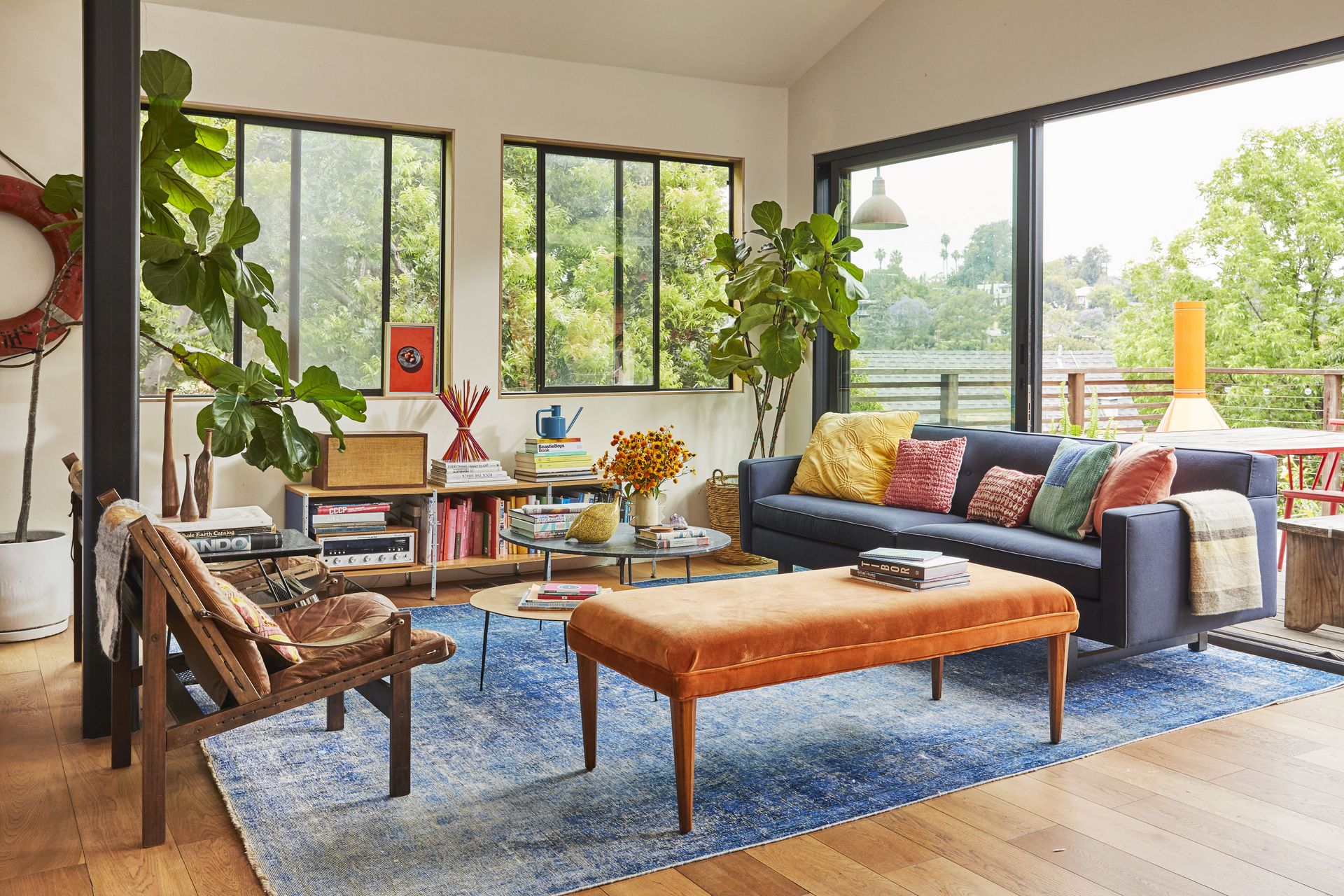
The living room is one of the most common places where rugs are used to anchor furniture and create a cohesive layout.
Designer Tips for Living Rooms
All furniture legs on the rug: Ideal for large living rooms to create a unified seating area.
Front legs on the rug: A popular choice where the front legs of sofas and chairs rest on the rug while the back legs remain off.
Coffee table centered: The coffee table should sit in the middle of the rug.
Choosing a rug that is too small is one of the most common mistakes. A larger rug helps make the space feel more balanced and luxurious.
2. Bedroom Rug Placement
Rugs in bedrooms add warmth and comfort, especially when placed around the bed.
Popular Bedroom Rug Layouts
Large Rug Under the Bed Place a large rug under the bed so that it extends evenly on both sides and at the foot of the bed.
Two Runner Rugs Place runners on each side of the bed for a practical and stylish option.
Rug at the Foot of the Bed A medium-sized rug placed at the foot of the bed can highlight the bed area beautifully.
Interior stylists usually recommend allowing 18–24 inches of rug space around the bed for the best visual balance.
3. Dining Room Rug Placement
In dining rooms, rugs should be large enough to accommodate the dining table and chairs comfortably.
Key Rule for Dining Rugs
The rug should extend at least 24 inches beyond the table on all sides. This ensures that chairs remain on the rug even when pulled out.
This not only improves aesthetics but also prevents chairs from catching on the rug edges.
4. Rug Placement in Entryways
Entryways benefit from rugs that create a welcoming first impression.
Common choices include:
Runner rugs for narrow hallways
Medium rectangular rugs for larger foyers
Durable materials like wool or flatweave rugs are often preferred for high-traffic areas.
5. Layering Rugs for Modern Interiors
Layering rugs is a popular interior styling technique that adds depth and texture to a space.
Designers often place a smaller patterned rug over a larger neutral rug to create a stylish layered look.
This approach works particularly well with handknotted rugs layered over flatweave or jute rugs.
6. Choosing the Right Rug Size
The size of the rug is just as important as the design.
Interior designers often recommend:
8x10 or 9x12 rugs for living rooms
8x10 rugs under queen beds
9x12 rugs under king beds
Selecting the correct size helps create a balanced and professionally styled space.
Custom Handcrafted Rugs by Nitya Exports
At Nitya Exports, we specialize in manufacturing custom handcrafted rugs for interior designers, retailers, and wholesalers worldwide.
Our expertise includes:
Handknotted rugs
Handtufted rugs
Handloom rugs
Flatweave rugs
Custom rugs in wool, silk, bamboo silk, viscose, PET yarn, jute, and other premium materials
With custom sizes, materials, and designs, we help designers achieve the perfect rug placement for every space.
Conclusion
Proper rug placement can transform a room by tying together furniture and enhancing the overall design. By following interior designer guidelines for living rooms, bedrooms, dining rooms, and entryways, you can create a balanced and visually appealing interior.
Choosing the right rug size and placement ensures that your rug becomes a central design element rather than just a decorative accessory.