
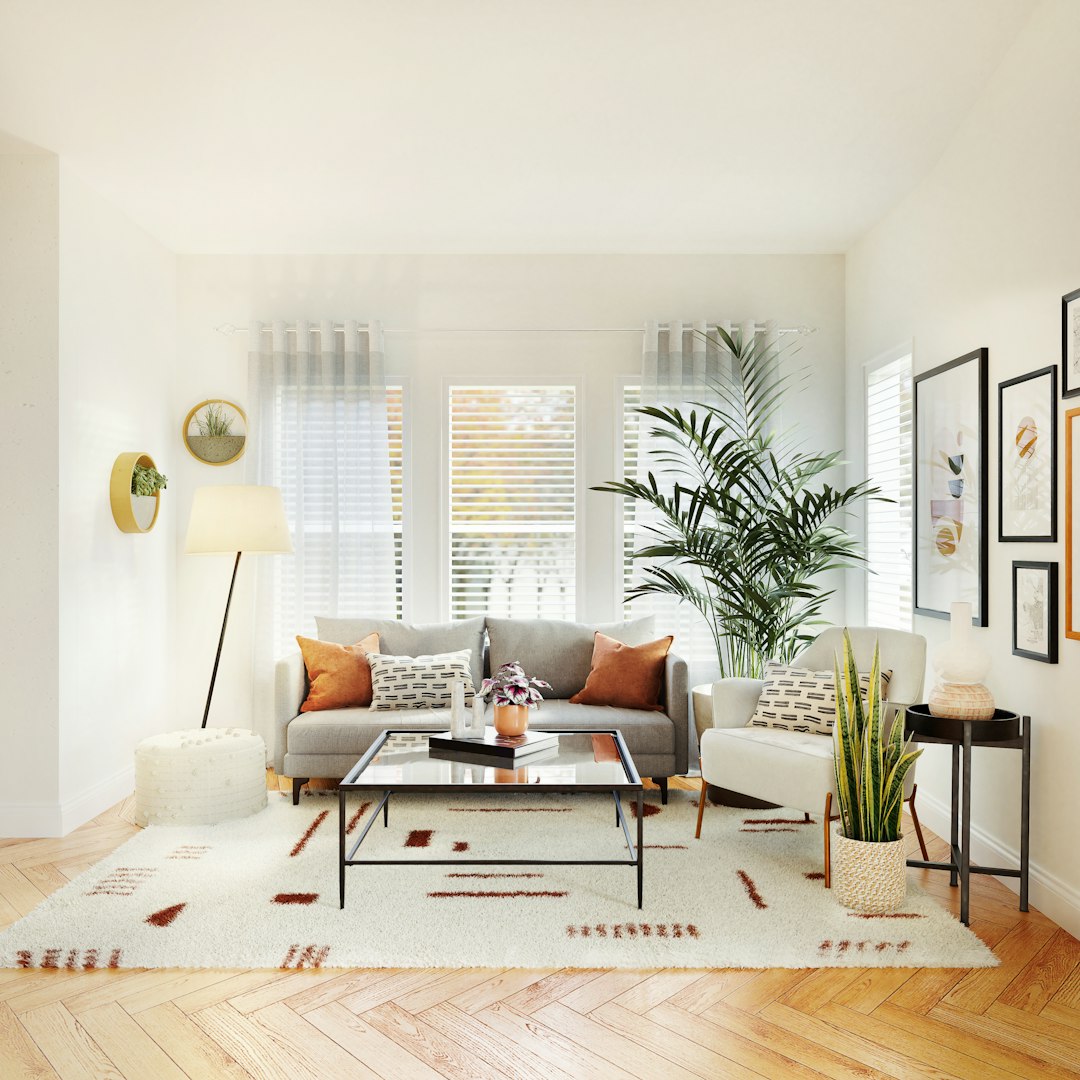
Rugs are one of the most important elements in interior design. A well-chosen rug not only adds warmth and texture to a space but also helps define furniture layouts and bring harmony to a room. When styled correctly, rugs can highlight furniture pieces, create visual balance, and enhance the overall atmosphere of an interior.
Interior designers often use rugs as the foundation of a room’s design. Whether paired with modern furniture, classic wooden pieces, or minimalist interiors, the right rug placement can transform the entire space.
Styling Rugs with Living Room Furniture
The living room is one of the most common areas where rugs are used to anchor furniture and define the seating area.
One of the most recommended styling techniques is placing the rug so that the front legs of sofas and chairs sit on the rug. This creates a connected and cohesive layout while keeping the room visually balanced.
For larger living rooms, designers often place all furniture legs on the rug, which creates a unified seating arrangement. This approach works especially well with large custom rugs.
Coffee tables should typically sit at the center of the rug, allowing the rug to frame the entire seating area.
Styling Rugs with Bedroom Furniture
In bedrooms, rugs add warmth and comfort while enhancing the overall look of the space.
A popular styling approach is placing a large rug underneath the bed, extending beyond both sides and the foot of the bed. This ensures that when you step out of bed, your feet land on the soft surface of the rug.
Another option is using runner rugs on both sides of the bed, which is ideal for smaller bedrooms or minimalist layouts.
For decorative styling, a smaller rug placed at the foot of the bed can add texture and visual interest to the space.
Styling Rugs with Dining Room Furniture
Dining rooms require special attention when choosing rug size and placement.
The rug should be large enough to accommodate the dining table and chairs, even when the chairs are pulled out. A general rule used by interior designers is that the rug should extend at least 24 inches beyond the table on all sides.
This not only improves functionality but also creates a polished and elegant dining area.
Flatweave rugs or low-pile rugs are often preferred for dining spaces as they allow chairs to move easily.
Styling Rugs with Modern and Minimalist Furniture
Modern interiors often feature clean lines and simple furniture designs. In these spaces, rugs help introduce texture and visual depth.
Neutral-toned rugs such as beige, grey, or ivory work beautifully with minimalist furniture. For a more striking design, patterned or textured rugs can become the focal point of the room.
Interior stylists often combine handknotted rugs with modern furniture to create a sophisticated contrast between traditional craftsmanship and contemporary design.
Layering Rugs with Furniture
Layering rugs has become a popular interior styling technique. Designers often place a smaller decorative rug over a larger neutral base rug, such as a jute or flatweave rug.
This approach adds depth, texture, and personality to the space. It works particularly well in living rooms, bedrooms, and lounge areas.
Layering is also a great way to highlight premium rugs while adding warmth and dimension to the overall interior design.
Choosing the Right Rug Material
The material of a rug plays a significant role in how it complements furniture and the overall interior style.
Common materials used in handcrafted rugs include:
Wool for durability and softness
Silk for luxurious shine and fine detailing
Bamboo silk for a smooth and elegant texture
Viscose for a silk-like finish
Natural fibers such as jute or nettle for organic interiors
The right material helps ensure that the rug not only matches the furniture style but also performs well in different areas of the home.
Custom Handcrafted Rugs by Nitya Exports
At Nitya Exports, we specialize in manufacturing custom handcrafted rugs for interior designers, retailers, and wholesalers worldwide. Our expertise includes handknotted, handtufted, handloom, and flatweave rugs made using premium materials.
We work with a wide range of fibers including New Zealand wool, merino wool, cashmere, alpaca, mohair, pure silk, bamboo silk, viscose, PET yarn, and jute, allowing clients to create rugs that perfectly complement different furniture styles and interior spaces.
Our custom rug capabilities ensure that every rug is designed according to the exact size, material, texture, and design requirements of each project.
Conclusion
Styling rugs with furniture is essential for creating a balanced and visually appealing interior. By choosing the right rug size, material, and placement, you can enhance the overall design of any space.Whether paired with modern sofas, elegant bedroom furniture, or dining tables, handcrafted rugs add warmth, sophistication, and timeless beauty to interiors.Custom rugs provide even greater flexibility, allowing designers and homeowners to create a perfectly styled space that reflects their unique vision.